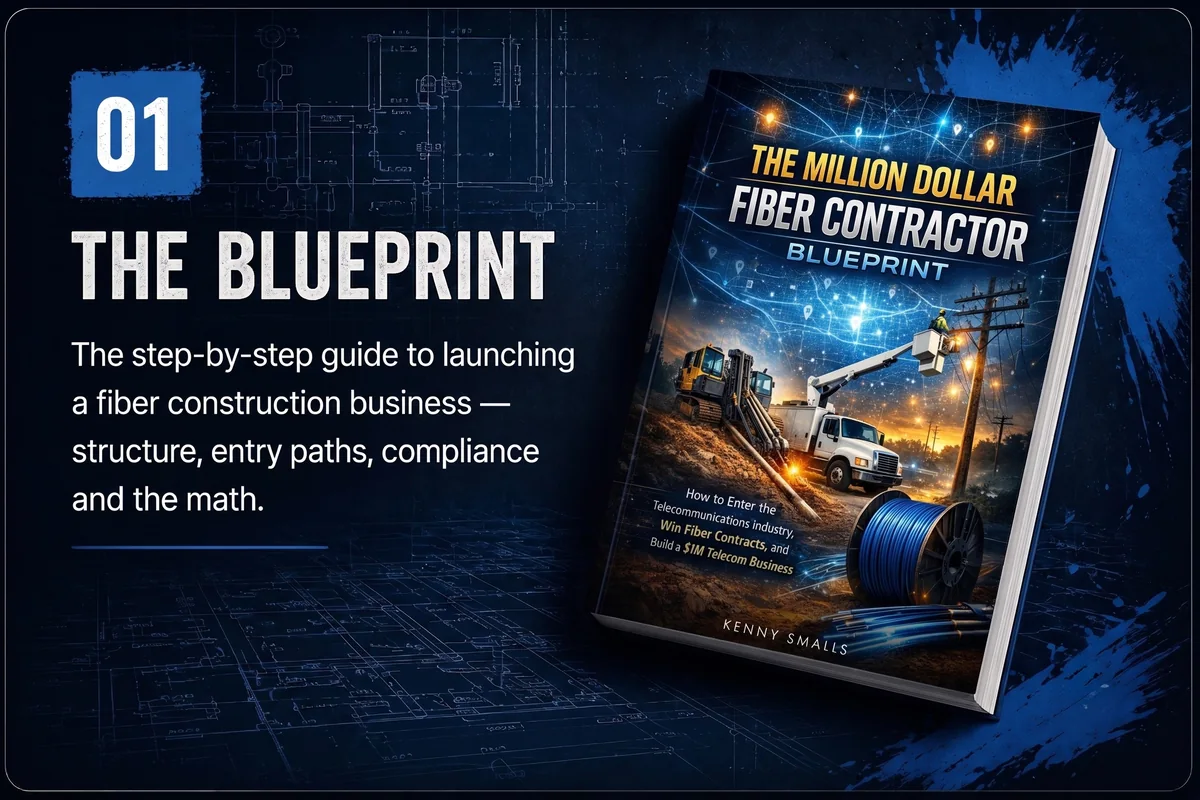
The Blueprint
The step-by-step guide to launching a fiber construction business — structure, entry paths, compliance and the math.

Cable tech in 2016. Splicer, crew lead, project manager, operations director — then his own company. Kenny walks operators through the exact structure the telecom industry never explains, and it starts with a free blueprint.
Stop guessing at how the money moves. Learn the structure, the pricing and the relationships the industry keeps inside companies and veteran crews — backed by execution, not hype.
Learn from someone who actually carries the risk — not a coach who read about it.
Not theory. Field-tested structure.
The business layer nobody teaches on a jobsite, laid out step by step.
These are the moves that create contractors.
Telecom is relationship-driven. Reputation beats company size every time.
Being known is the whole game.
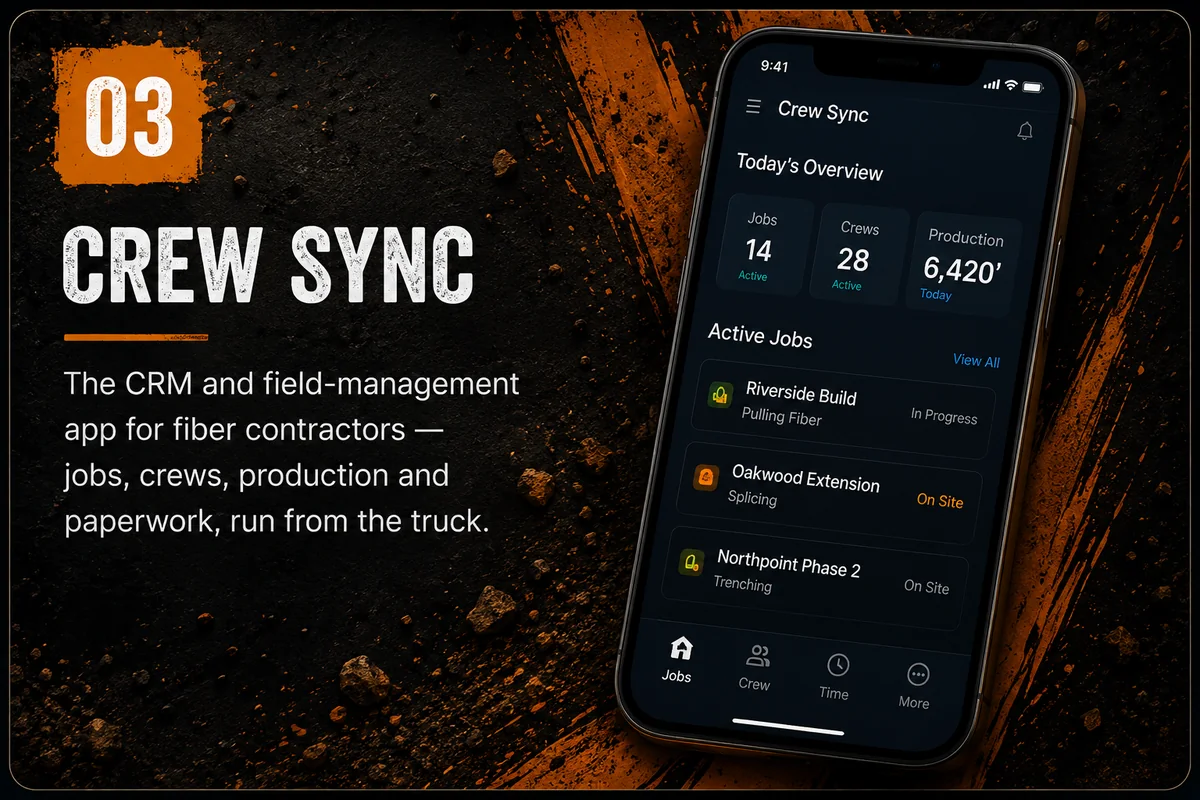
The complete toolkit, training and software platform to launch, run and scale your fiber construction business.
The step-by-step guide to launching a fiber construction business — structure, entry paths, compliance and the math.
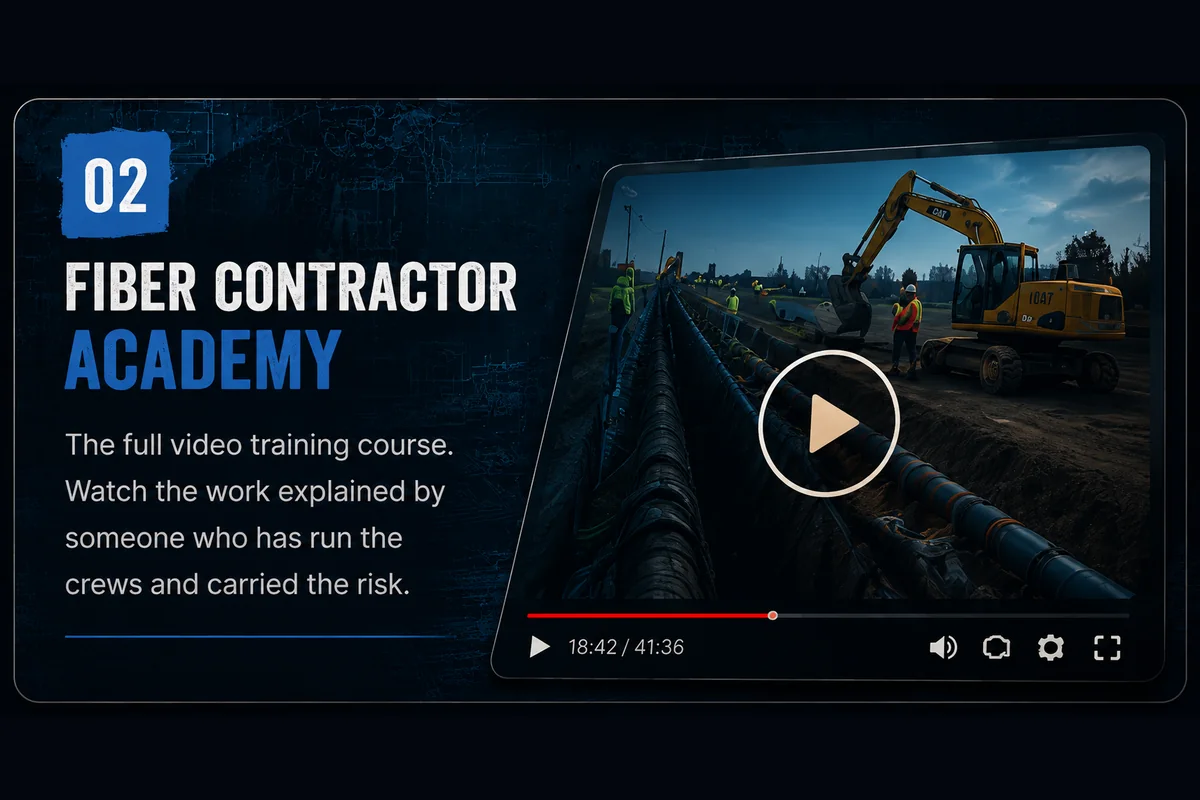
The full video training course. Watch the work explained by someone who has run the crews and carried the risk.
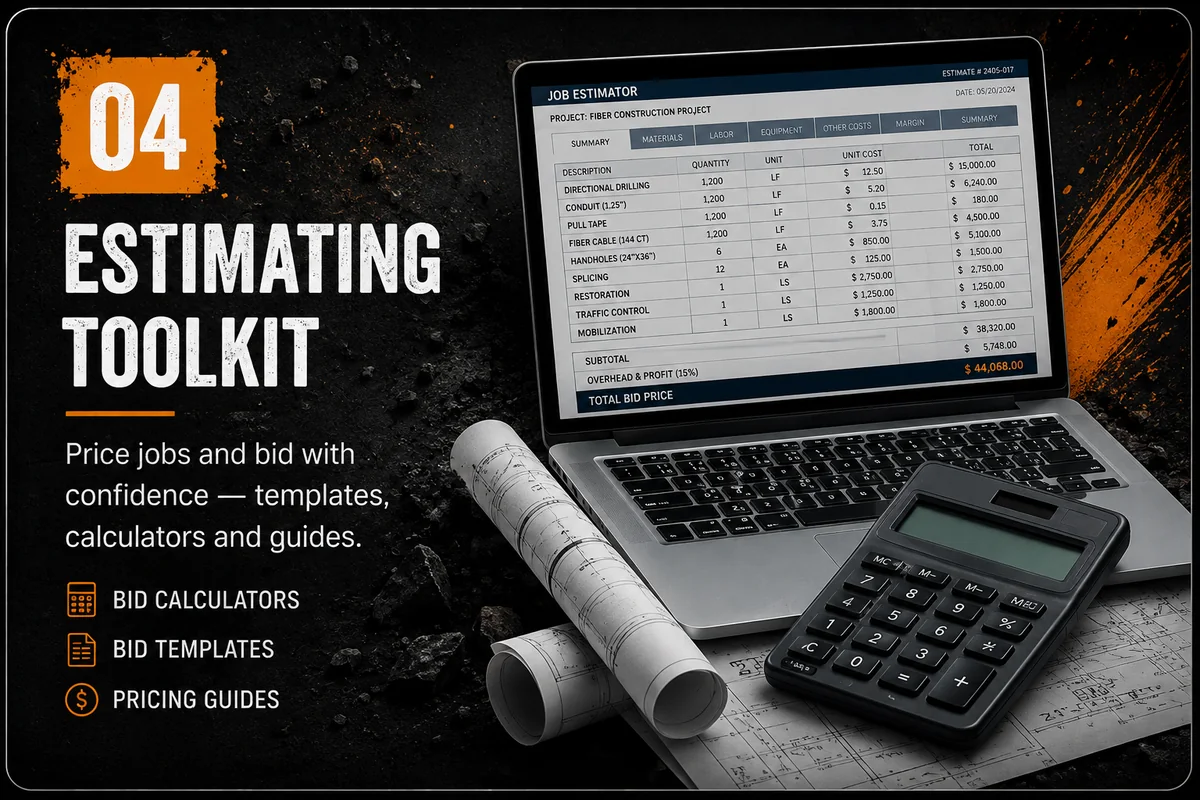
Price jobs and bid with confidence — templates, calculators and guides.
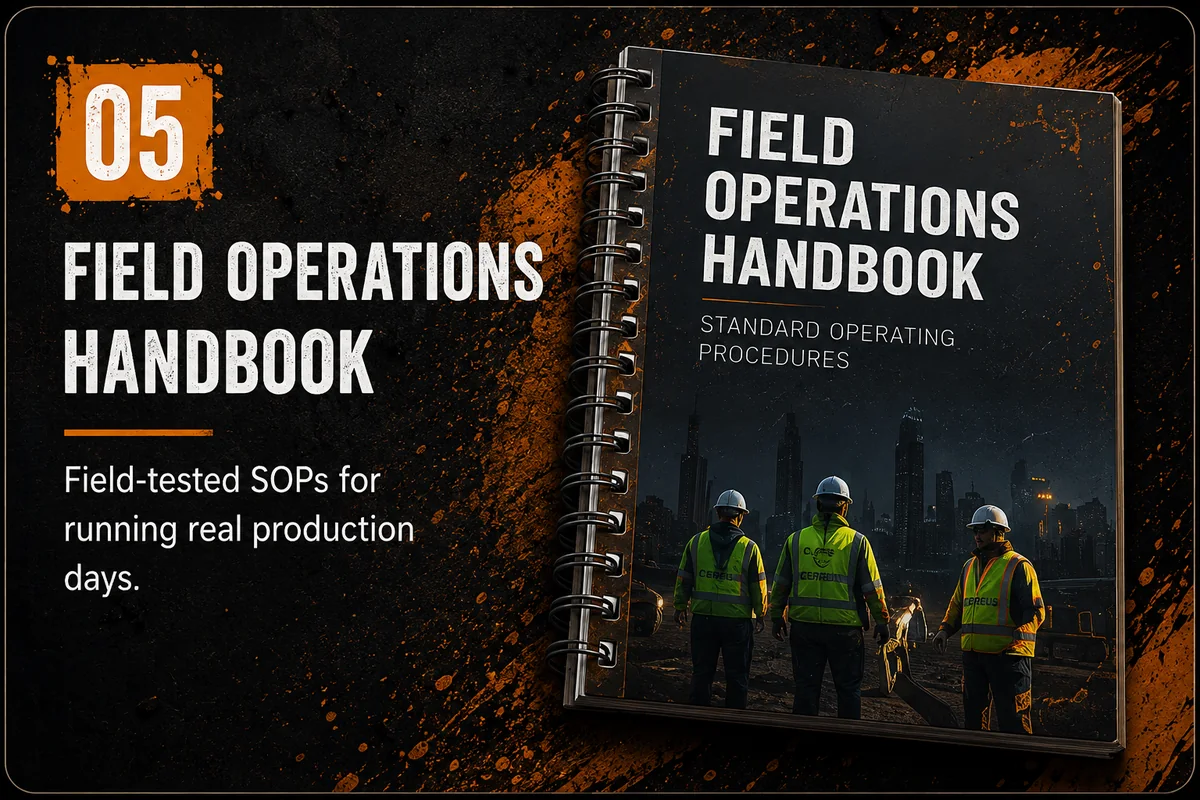
Field-tested SOPs for running real production days.
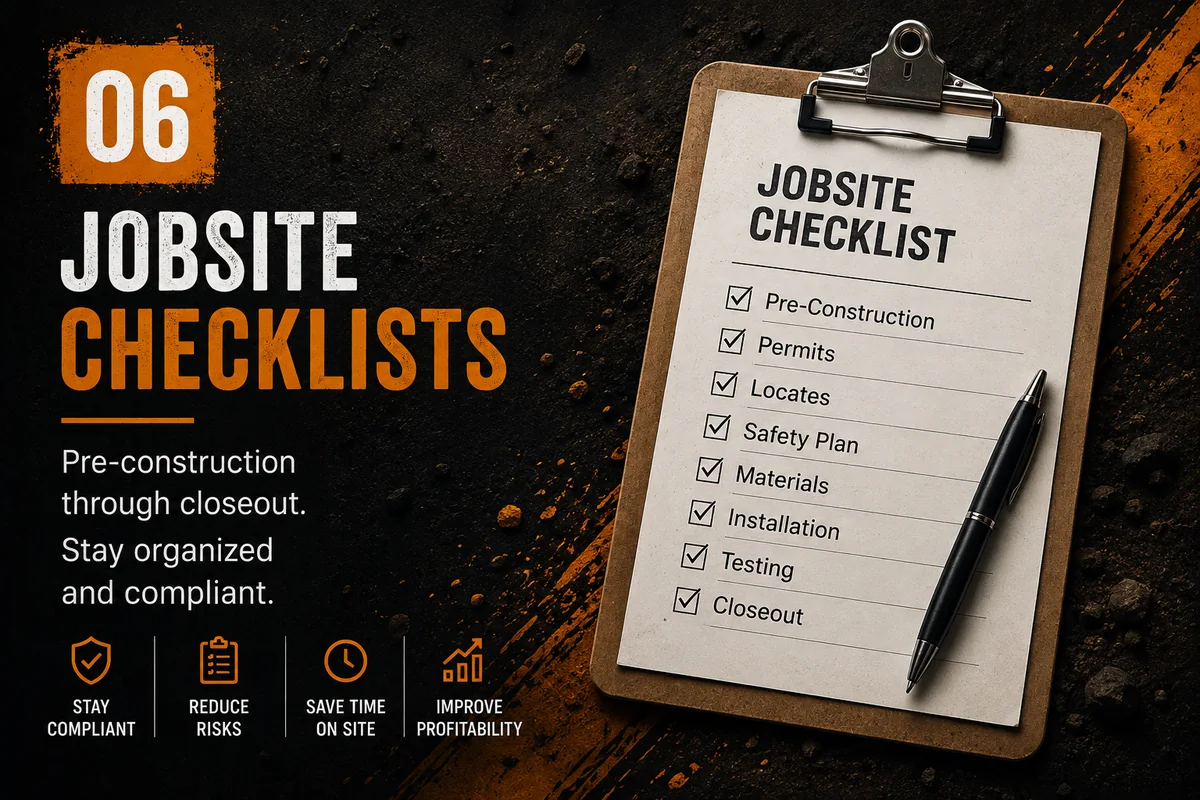
Pre-construction through closeout. Stay organized and compliant.

Your roadmap to landing that first fiber contract.
Ready-to-use agreements
Professional invoice templates
Standard operating procedures
Track output, protect margin
OSHA-ready documentation
Trusted suppliers & partners

Aerial builds, directional bores, splice work and restoration — photographed on the jobs, not licensed from a stock library.
Every chapter in the Blueprint is based on real fiber construction projects, real crews, and real-world field experience.
He started as an install-and-repair cable technician in 2016 and climbed every rung the industry has — splicer, crew lead, project manager, operations director — before crossing the line most workers never do: buying the equipment, carrying the payroll, and owning the risk.
Install and repair. Where he learned network service work, field operations and the practical realities of the trade.
Specialised and advanced. Splice enclosures, cabinets and the precision work every network build depends on.
Leadership begins. Running a crew day to day — production targets, safety and the people who hit them.
Bigger projects, bigger impact. Schedules, scopes and prime relationships instead of a single jobsite.
Multiple crews at once. Logistics, equipment and the systems that let production scale past one truck.
The whole operation. Payroll, equipment, contracts and the risk that comes with all three.


Same person. Same industry.
Four stages apart.
If you’re ready to stop guessing and start building with structure, the blueprint is where it begins.
Everything in the Blueprint came from doing the work, not reading about it.
Not a researcher writing about the industry — a decade working inside it.
Install and repair, then aerial fiber, then directional drilling and conduit.
Scheduling, production targets, and the people who hit them.
Bucket trucks, drills, splicing gear — bought, financed and maintained.
Won the contracts, carried the payroll, and took the risk.
Ten years of jobsites, four thousand hours of production, and every mistake already paid for — written down so you don’t have to repeat them.
Kenny SmallsKenny’s free blueprint breaks down how fiber construction is structured, where contractors enter, and what the first ninety days actually look like.
Tell us where to send it. You’ll have it in under a minute.
Want the live walkthrough? Join the free training →
No. Most people come from related trades — construction, electrical, equipment operation or cable install. The blueprint assumes zero business-side knowledge.
Yes. Enter your details and the PDF is emailed to you immediately. No cost, no card.
No. It's a practical introduction to a real industry built on relationships, production, safety and consistent execution. Any figures shown are illustrative, not income promises.
You'll get the PDF right away, plus occasional emails from Kenny with additional training. You can unsubscribe anytime.
Not always. Some contractors begin by subcontracting services like aerial installation or splicing, which need far less equipment than underground drilling.
The only question is whether you understand it well enough to get paid from it.
Free · Instant access